Intro
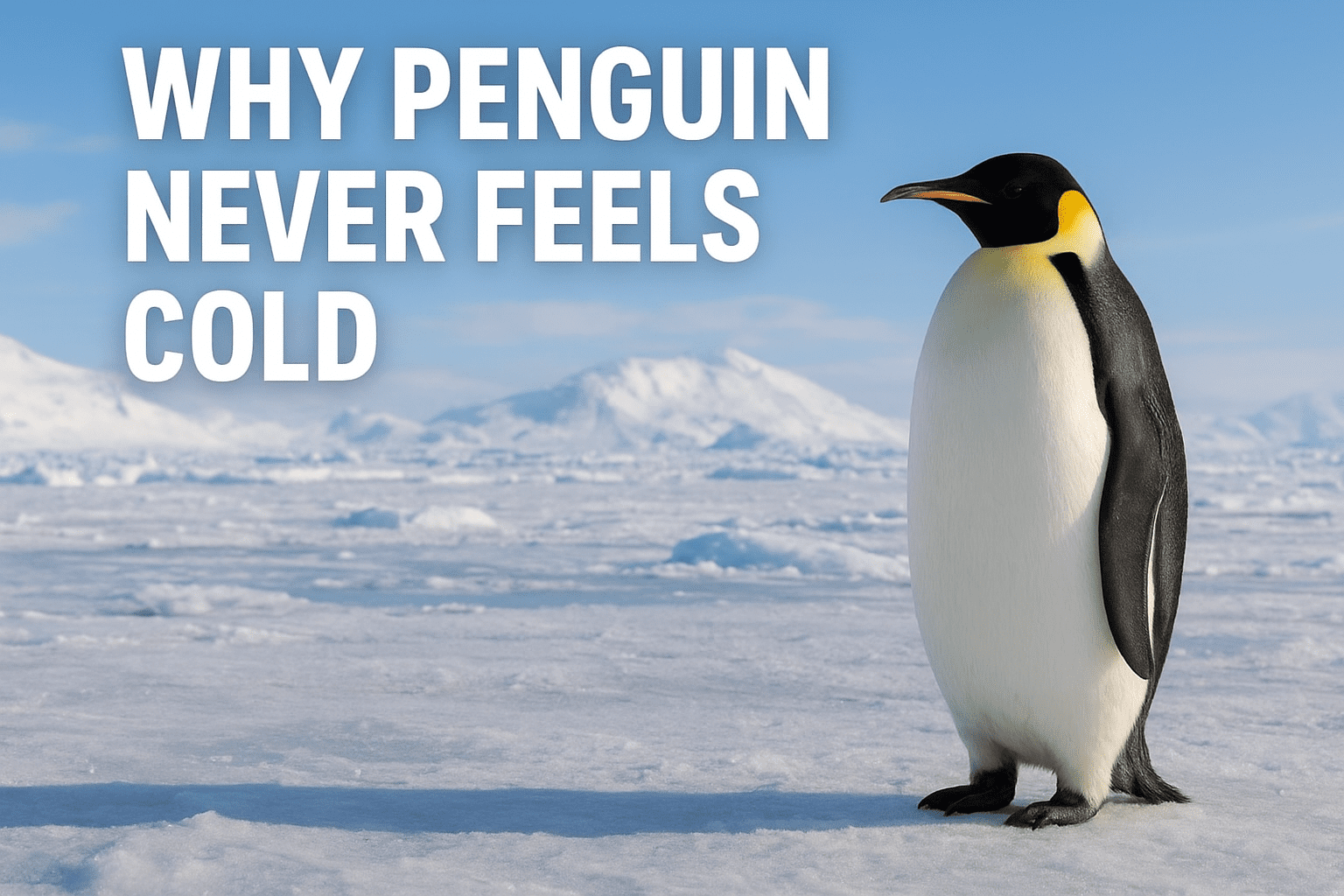
Penguins can keep themselves warm and energetic despite living in part of the globe’s coldest environments. Among the unique features helping them endure the cold are a thick feather insulation, an insulating layer of fat known as blubber, and heat-conserving methods. All these properties combine to keep penguins safe from cold water and frigid winds, enabling them to live and flourish in the cold Antarctic habitat.
Penguins are incredible birds that have adapted to inhabit some of the coldest and most inhospitable regions on earth, such as Antarctica. Due to a mixture of extraordinary physical and behavioral adaptations, penguins can maintain warmth and activity despite residing in climates where temperatures fall far below freezing. Even when swimming in freezing waters, their skin remains warm and dry thanks to the waterproof feathers’ thick layer that covers their bodies and is capable of trapping air and acting as superior insulation. Penguins possess blubber, a thick layer of fat just below their skin, which serves as additional insulation against the cold.
Body Fat Layers
Penguins have a vital layer of fat called blubber that serves as their main source of insulation beneath their thick, waterproof feathers. A marvel of natural engineering, the subcutaneous fat layer can reach a thickness of several centimeters in certain species, such as the emperor penguin. Because heat can be lost from the water far more quickly than on land, it works best when penguins are submerged. This blubber not only acts as an insulating layer but also as a vital energy store, enabling penguins to fast for extended periods of time during breeding seasons. Even when they are immersed in extremely cold water, their body temperature stays constant thanks to this thick layer of fat and other physiological and behavioral adaptations.
Certain penguins, such as the emperor penguin, have unusually dense fat layers since they inhabit the frigid regions of Antarctica. Their dense blubber also rounds their bodies, which reduces heat loss to cold air surrounding them. If they did not have this fat layer, penguins would get too cold to survive in their icy habitats. The blubber of the penguins is the major reason they can survive and maintain their warmth despite such low temperatures.
Feather Structure
Their unique feather structure is also the main reason penguins can remain warm in cold environments. A penguin’s entire body is covered with thousands of small, closely spaced feathers, making the animal look like they have a thick coat. These feathers are stiff, short, and close together, keeping cold air and water from penetrating to their skin like it would penetrate in other birds. Trapping warm air next to them, the downy layer of feathers underneath the outer feathers insulates. Penguins also have a special oil that is produced by a gland located near their tails, which they use to waterproof their feathers.
They remain dry and warm even after long swims in cold waters due to this oily layer, which allows water to easily roll off. Penguins can swim quickly through the water without losing body heat due to their smooth, overlapping feathers. The perfect combination of their insulating warm down layer beneath and the waterproof outer feathers shields penguins from freezing temperatures and cold winds. Penguins would quickly lose heat without their iconic feathers, and they could not survive in their cold climates.
Huddling Behavior
Additionally, penguins use a social behavior known as huddling to stay warm during freezing temperatures. Penguins congregate in big groups, packing their bodies together, in extremely cold weather, particularly during the winter or breeding season. By preserving body warmth and reducing the surface area exposed to the chilly wind, this group arrangement lowers heat loss. To keep everyone in the group safe, penguins alternately move from the colder outer edges to the warmer center. In addition to helping them endure extreme weather, cuddling improves social ties within the colony.
Penguins also keep themselves warm by employing an intelligent behavior referred to as huddling. Penguins also employ a cunning habit of huddling to maintain their warmth. When it is the long Antarctic winter, penguins gather in large groups and pack their bodies tightly together to exchange body heat when it becomes extremely cold outside and the wind is strong. We call this group a huddle. The outer penguins in the huddle work to keep out the cold wind, while the inner penguins remain warmest by standing very close together. In order to make it so that everyone gets their turn to be in the middle and be warm, the penguins ultimately switch positions.
Blood Flow Adaptation
To maintain warmth in freezing climates, penguins possess an unusual way of adapting blood flow. Their bodies are designed to conserve heat loss in areas that tend to become cold quickly, such as their flippers and feet, but keep the most essential structures, such as the heart and organs, warm. Due to a unique mechanism called counter-current heat exchange, hot blood from the core of the body travels with cold blood going back from the feet and flippers in penguins.
Penguins can also modify blood flow to various body parts based on temperature. Blood flow to the outer regions is decreased in extremely cold temperatures to maintain core warmth, and it is increased in slightly warmer temperatures to keep tissues from freezing. Because of their controlled blood circulation and countercurrent exchange, penguins are able to preserve energy, keep their body temperature steady, and remain active in hostile environments. Together with other adaptations like blubber, feathers, and huddling, it makes penguins incredibly well-suited for Antarctic life. Learn more about how penguins survive the cold on National Geographic
Don’t miss this related post:
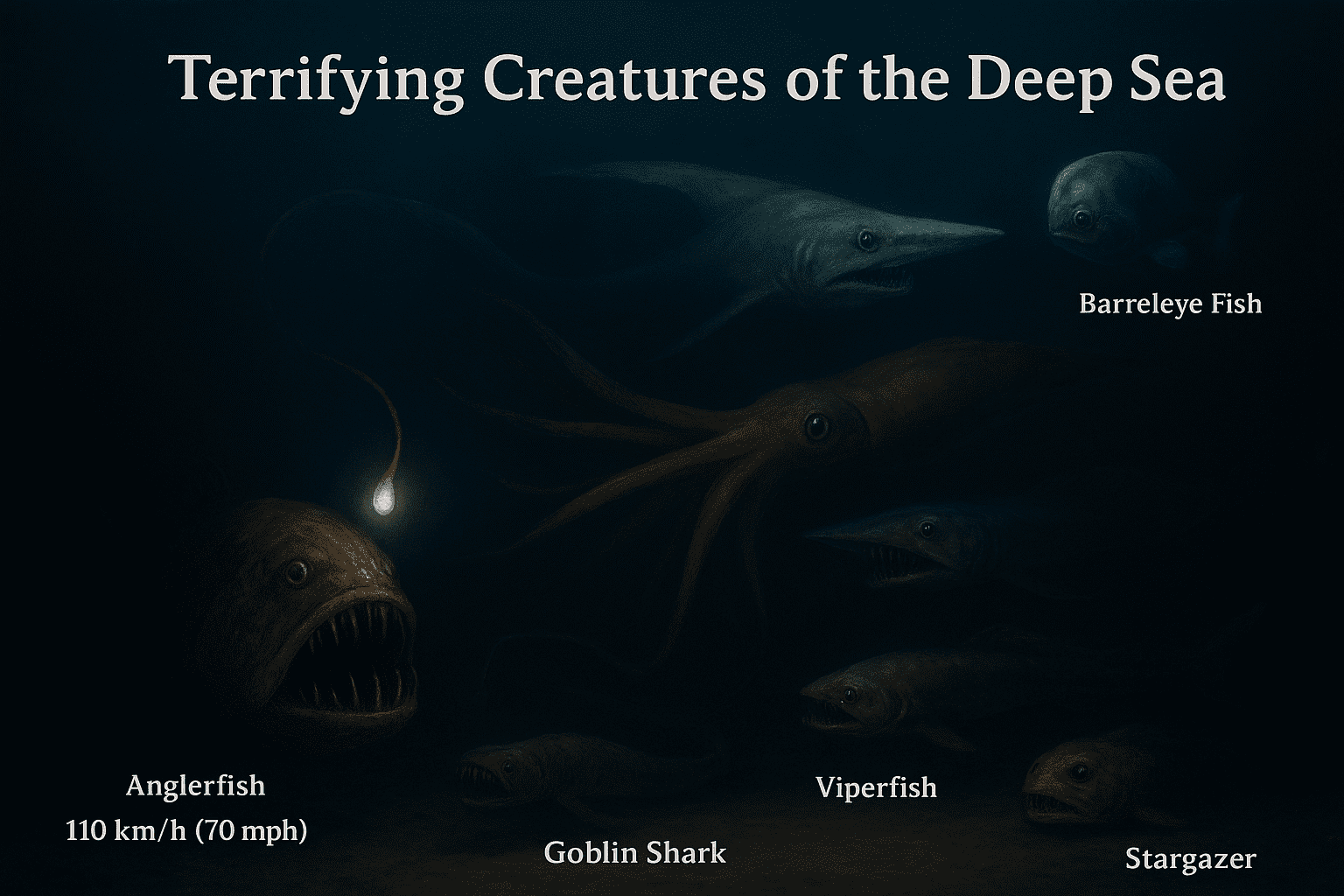
Scariest Ocean Creatures You Didn’t Know Exist
7 Cutest Animal Babies That Melt Hearts
Conclusion
In summary, penguins are really amazing animals that have acquired a series of unique features that enable them to live in the world’s coolest environments. They’re ideal for survival in cold temperatures due to their dense covering of blubber, tightly packed waterproof feathers, and clever adaptations such as snuggling up together for warmth.
Their unique circulatory system allows them to maintain their body temperature even while on the ice or in frigid waters. All these adaptations enable penguins to withstand the cold Antarctic winter by defending them from the weather and enabling them to hunt, remain active, and care for their chicks.