Introduction
Animals have always captured human imagination. From the bustling cities of the UK to the forests of the USA, animals enrich our lives in countless ways. They maintain ecological balance, provide companionship, and inspire curiosity. Understanding animals’ behavior, habitats, diets, and conservation needs is essential for both enthusiasts and casual readers.
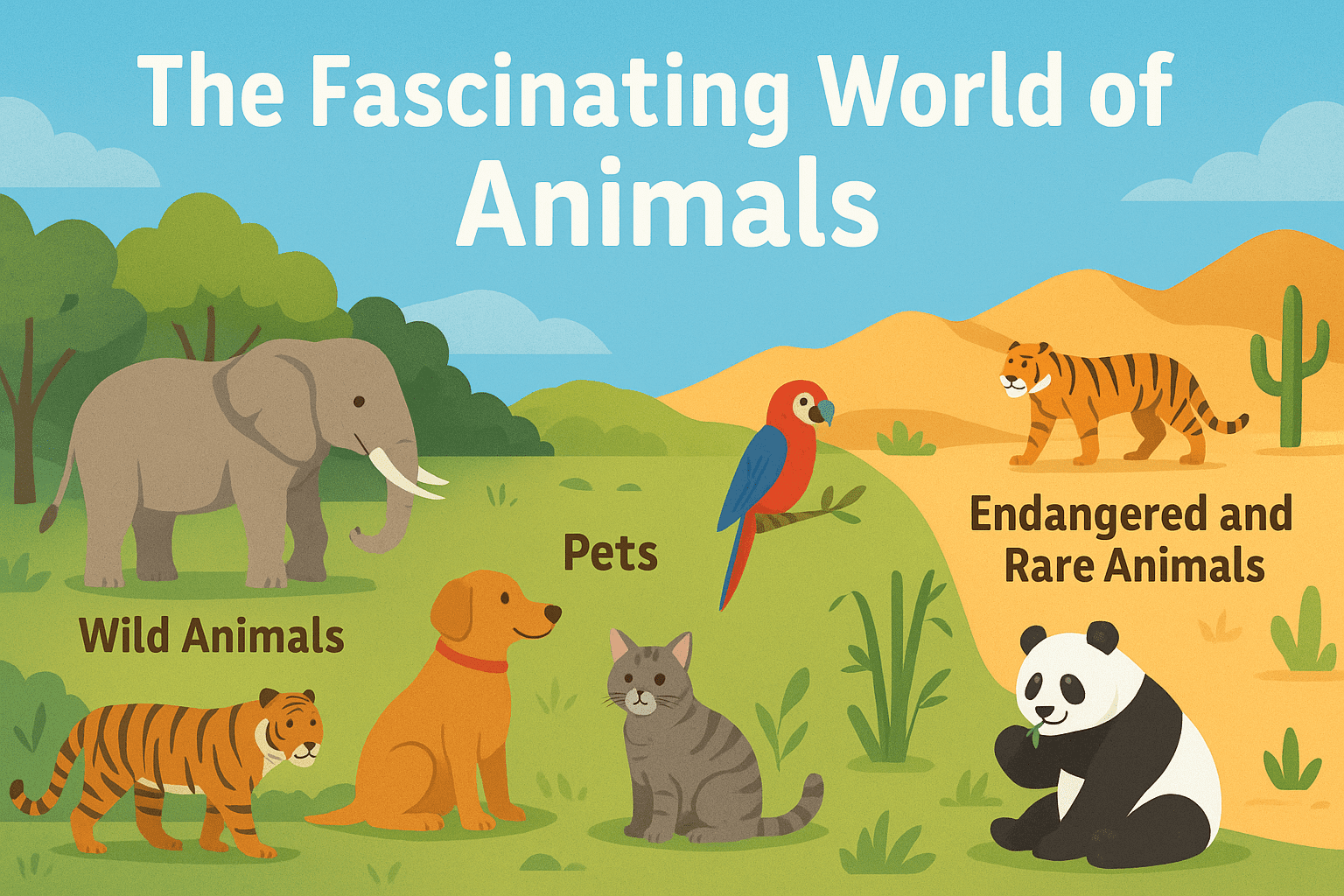
This guide covers wild animals, pets, endangered species, their diets, habitats, amazing facts, and the critical role humans play in their survival. By the end, readers will gain a deeper appreciation for the animal kingdom and understand why protecting it is vital.
Wild Animals
Wild animals live independently in nature, surviving without direct human care. They inhabit forests, grasslands, deserts, mountains, and aquatic environments.
Forest Animals
Forests host diverse species, from towering elephants to tiny insects. Key forest dwellers include:
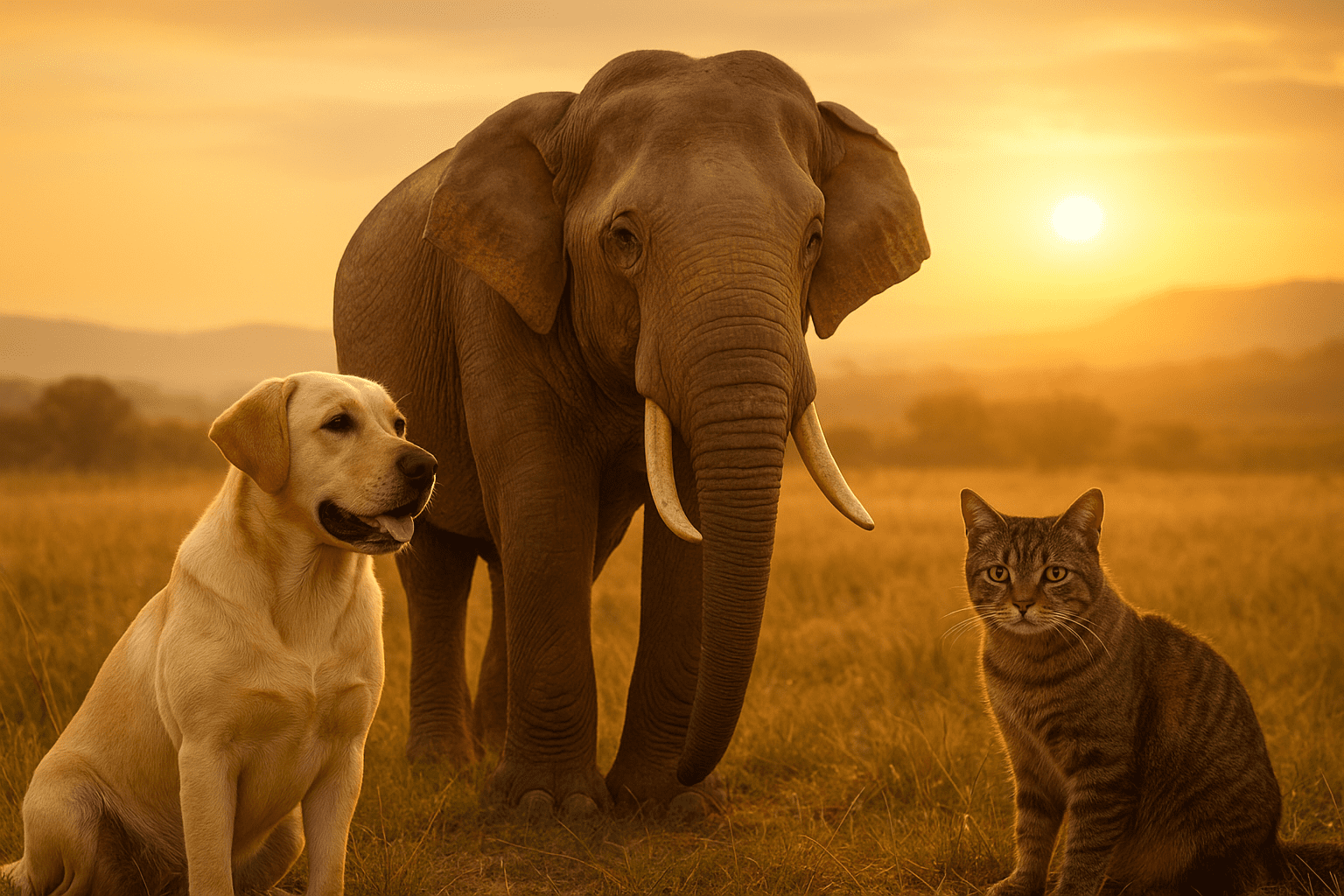
- Elephants: Largest land mammals, known for intelligence and social structures.
- Tigers: Apex predators crucial for maintaining ecosystem balance.
- Monkeys: Agile creatures that help disperse seeds, contributing to forest regeneration.
Fun Facts:
- Tigers can swim long distances.
- Elephants communicate using low-frequency sounds inaudible to humans.
- Some monkeys use tools to crack nuts and gather food.
Grassland Animals
Grasslands are home to herbivores and their predators:
- Lions: Often called “kings of the savannah.”
- Zebras and Wildebeests: Vital for maintaining grassland vegetation.
- Cheetahs: Fastest land mammals, reaching speeds of 60-70 mph.
Grasslands rely on these animals to maintain ecological balance. Grazing patterns prevent overgrowth and promote biodiversity.
Desert and Mountain Animals
Desert animals like camels, fennec foxes, and sand snakes survive harsh climates with minimal water. Mountain animals, such as snow leopards and mountain goats, have adapted to high-altitude environments.
Interesting Adaptations:
- Camels store fat in humps for energy, not water.
- Snow leopards have thick fur and strong legs for climbing rocky terrain.
Pets
Pets have been part of human life for centuries. In the UK and USA, dogs and cats are the most common companions, but exotic pets like reptiles, birds, and fish are also popular.
Dogs
Dogs are loyal companions, providing emotional support, protection, and entertainment. Breeds vary in size, temperament, and energy levels.
Fun Facts:
- Dogs can sense human emotions.
- Certain breeds excel in tasks like herding, hunting, or rescue operations.
Cats
Cats are independent yet affectionate, often acting as companions in homes worldwide.
Fun Facts:
- Cats are primarily nocturnal hunters.
- They communicate using vocalizations, body language, and scent marking.
Birds and Fish
Birds add color and song to human environments. Fish create serene aquatic habitats.
Care Tips:
- Provide adequate space, clean water, and proper nutrition.
- Monitor health and behavior regularly.
Exotic Pets
Reptiles, small mammals, and amphibians are popular among hobbyists. Their care requires specialized knowledge, including temperature control, diet, and enrichment.
Endangered and Rare Animals
Endangered species face threats like habitat destruction, hunting, pollution, and climate change. Conserving these animals is critical to global biodiversity.
Global Endangered Species
- Giant Panda: Native to China, survives mainly on bamboo.
- Blue Whale: Largest animal ever, facing threats from ship collisions and climate change.
- Golden Tiger: Extremely rare, with fewer than 200 individuals in the wild.
Causes of Endangerment
- Deforestation and urbanization
- Poaching and illegal wildlife trade
- Climate change altering habitats
Conservation Efforts
- Wildlife sanctuaries and reserves
- Breeding programs for rare species
- Public awareness campaigns
Interesting Fact:
Some species thought extinct have been rediscovered, showing nature’s resilience when humans act responsibly.
Animal Diets
Animals have diverse diets that reflect their evolutionary adaptations.
Carnivores
- Eat primarily meat (e.g., lions, wolves, sharks)
- Apex predators maintain population balance in ecosystems
Herbivores
- Consume plants, leaves, seeds (e.g., elephants, giraffes, deer)
- Essential for plant dispersal and vegetation management
Omnivores
- Eat both plants and meat (e.g., humans, bears, monkeys)
- Adaptable to multiple habitats and food sources
Unique Diet Adaptations:
- Pandas rely almost exclusively on bamboo but occasionally eat small animals.
- Koalas feed solely on eucalyptus leaves, which are toxic to most animals.
Animal Habitats
Forests
Provide shelter, food, and breeding grounds. Deforestation threatens countless species.
Deserts
Animals adapt to extreme heat, limited water, and sparse vegetation. Camels, lizards, and fennec foxes thrive here.
Oceans and Rivers
- Fish, whales, dolphins, and sea turtles rely on clean water and coral reefs.
- Pollution and overfishing threaten aquatic biodiversity.
Mountains
Animals adapt to thin air, cold temperatures, and rocky terrain. Examples include snow leopards and mountain goats.
Amazing Animal Facts
- Migration: Birds like the Arctic Tern travel thousands of miles annually.
- Nocturnal Behavior: Owls and bats hunt mostly at night.
- Intelligence: Dolphins, elephants, and crows show advanced problem-solving skills.
- Symbiotic Relationships: Clownfish and anemones, cleaner fish and larger fish, show nature’s interdependence.
Record-Breaking Animals:
- Peregrine falcons are the fastest birds in dive (over 200 mph).
- Blue whales are the largest animals on Earth.
- Giraffes have the longest necks among mammals, aiding in high foliage feeding.
Conservation and Human Impact
Wildlife Conservation Strategies
- Establishing protected areas and national parks
- Anti-poaching laws and strict enforcement
- Community-based conservation programs
Role of Zoos and Sanctuaries
- Breeding endangered species
- Education for visitors about biodiversity
- Rehabilitation for injured wildlife
How Readers Can Help
- Support wildlife charities
- Reduce single-use plastics
- Avoid buying products made from endangered animals
- Educate others about conservation
Interesting Fact: Citizen science programs allow ordinary people to track animal populations and contribute to research.
Conclusion
Animals enrich our planet and our lives in immeasurable ways. From majestic wild creatures to loyal pets, each species plays a unique role in the ecosystem. Protecting them is not just a responsibility but a privilege. By understanding their behavior, habitats, diets, and threats, humans can make informed choices to conserve wildlife for generations to come.
Visit wildpaw.info for more insights, guides, and tips about animals worldwide.