Intro
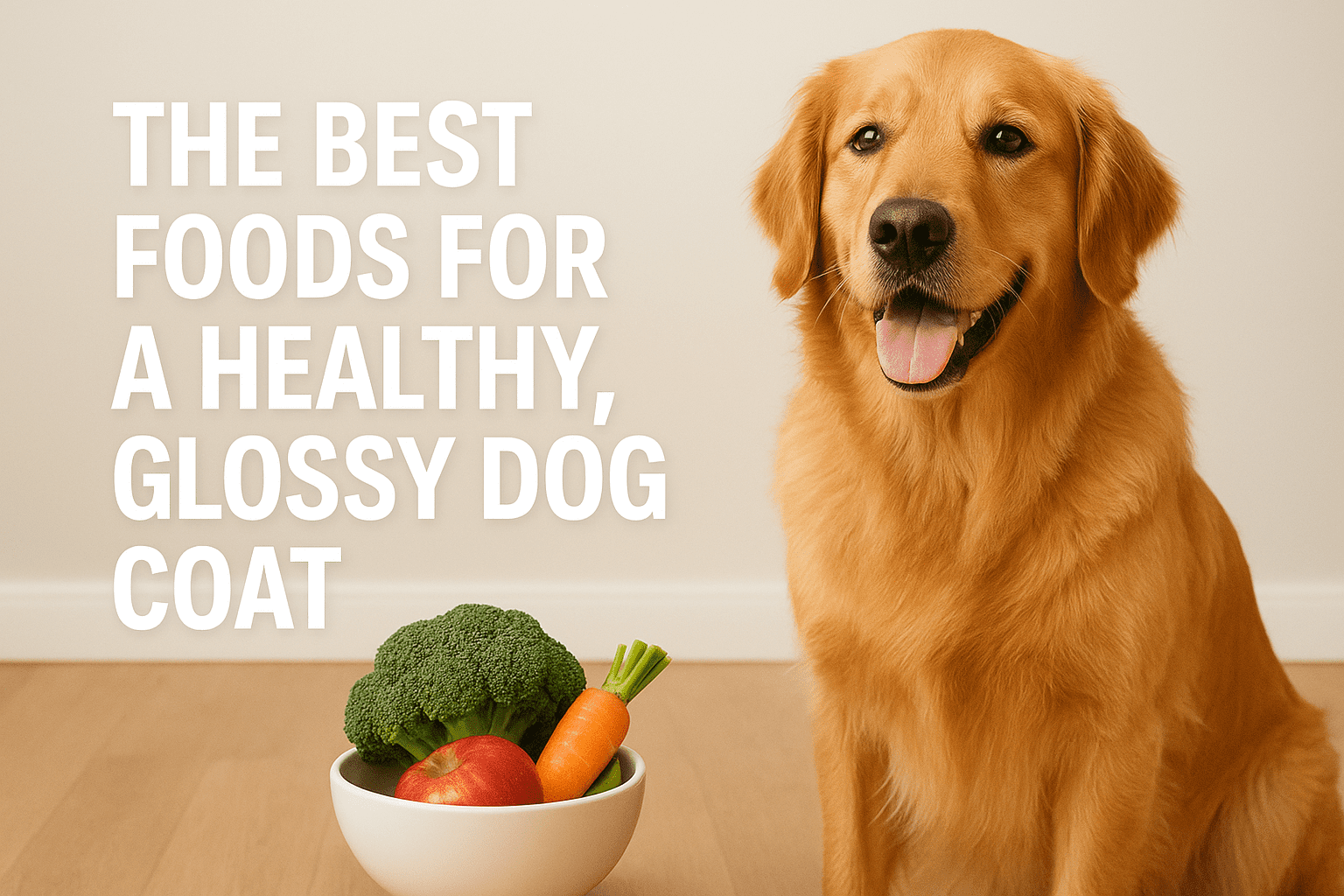
Maintaining a healthy, glossy coat for your dog depends on feeding them the proper food. Since hair is almost entirely made of protein and needs a balance of essential nutrients to flourish, a dull coat may be a sign of nutritional deficiencies or underlying health problems. A vibrant, healthy coat can be promoted from the inside out by including foods high in omega fatty acids, premium proteins, and particular vitamins and minerals. Key nutrients for a healthy coat Omega-3 and omega-6 fatty acids are essential for promoting a glossy coat, lowering inflammation, and moisturising the skin. While omega-6s are essential for the production of the natural oils that keep fur shiny, omega-3s in particular help reduce the inflammation frequently linked to skin allergies.
Importance of Diet
A balanced diet and general well-being are directly reflected in a dog’s glossy, healthy coat. Along with skin problems like flakiness, irritation, and excessive shedding, poor nutrition is one of the most common causes of a dull, dry, or brittle coat. Important effects of a balanced diet on coat health provides the building blocks for hair and skin. Nearly all of a dog’s coat is composed of protein. Building strong hair follicles and creating resilient, healthy fur require a diet rich in high-quality protein and the proper amino acids. A lack of protein can cause a coat that is weak, dry, and brittle.
Omega-3 Rich Foods
One of the most crucial nutrients for keeping a dog’s coat healthy and glossy is omega-3 fatty acids. By lowering inflammation throughout the body, these essential fats help relieve irritated or itchy skin, a common issue for many dogs. Additionally, omega-3s help the skin retain moisture, which helps to avoid dryness, flakiness, and excessive shedding. Fatty fish like salmon, mackerel, sardines, and anchovies are the main source of EPA (eicosapentaenoic acid) and DHA (docosahexaenoic acid), the two most advantageous forms of omega-3 fatty acids for dogs. These fats help preserve the natural oils in the coat, which keep fur resilient, soft, and glossy, as well as the integrity of skin cells.
Eggs and Protein
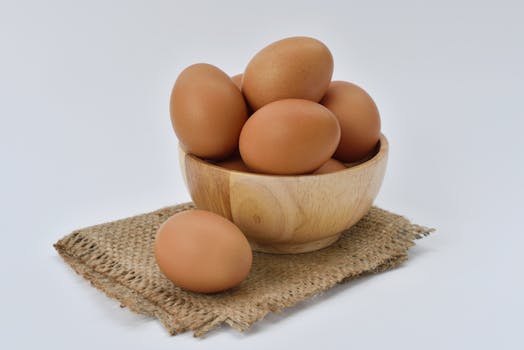
When it comes to keeping a dog’s coat strong and healthy, eggs and protein are essential parts of their diet. The essential amino acids found in protein act as the building blocks for keratin, the main protein that makes up the cells in your dog’s skin and hair. Your dog’s coat may become lifeless, fragile, and prone to shedding if they don’t get enough high-quality protein. Because they contain all of the essential amino acids your dog needs in a highly digestible form, eggs are an especially good source of protein. Eggs are also high in minerals like zinc and selenium, which shield the skin from harm and aid in lowering inflammation, as well as vitamins like biotin, which supports skin health and encourages hair growth.
Vegetables for Dogs
In moderation, many vegetables are safe for dogs, but they shouldn’t take the place of a diet high in commercial dog food that is balanced. No more than 10% of a dog’s daily calories should come from vegetables. Before introducing new foods, speak with your veterinarian if your dog has kidney problems, a history of bladder stones, or a sensitive stomach.Fibre, which is also present in a lot of vegetables, helps your dog digest food and absorb nutrients better, both of which indirectly enhance the condition of their coat.
Avoid These Foods
Giving your dog a healthy diet is essential for a healthy coat, but it’s also important to avoid foods that can hinder skin regeneration and fur quality. Because processed foods slow down the skin’s natural healing and renewal process, they can lead to inflammation and skin problems. This is especially true if the foods are high in sugar, unhealthy fats, and artificial additives. Foods that contain excessive amounts of grains or fillers often cause allergic reactions or digestive issues in sensitive dogs, which can lead to itching, redness, and hair loss. Dairy products, garlic, onions, and chocolate can also irritate or poison dogs, which can be harmful to their skin and overall health.
Here’s another article you may find useful:
Amazing Tip To Train Your Puppy in 7 Days
Safe Homemade Snacks for Pets
5 Ways to Keep Your Pet Active and Happy
Conclusion
One obvious indicator of your dog’s general health is a healthy, glossy coat, which is greatly impacted by their diet. Keeping your dog’s fur soft, robust, and colorful can be greatly improved by feeding them fresh vegetables, omega-3 fatty acids, high-quality protein, and vital vitamins and minerals. Avoiding dangerous foods that trigger allergies or inflammation also protects your dog’s skin and promotes healthy coat growth. By emphasizing balanced nutrition and incorporating these essential foods into your dog’s meals, you’re improving their happiness and health in addition to their appearance. Recall that a dog that is fed is content on the inside and out. For more detailed insights on the best nutrition to support your dog’s skin and coat, you can also visit The Vets’ complete guide