
Intro
Given that cats are experts at concealing indications of distress, it can be upsetting for owners to observe a change in their typical behavior. Even though they can’t tell you directly what’s wrong, they can show you that they’re unhappy, stressed, or ill by a number of small changes in their behavior, appearance, and habits. You can better understand your feline friend’s emotional state and take action to address the underlying problem—which could be anything from environmental stress to an underlying medical condition—by learning to recognize these signs.
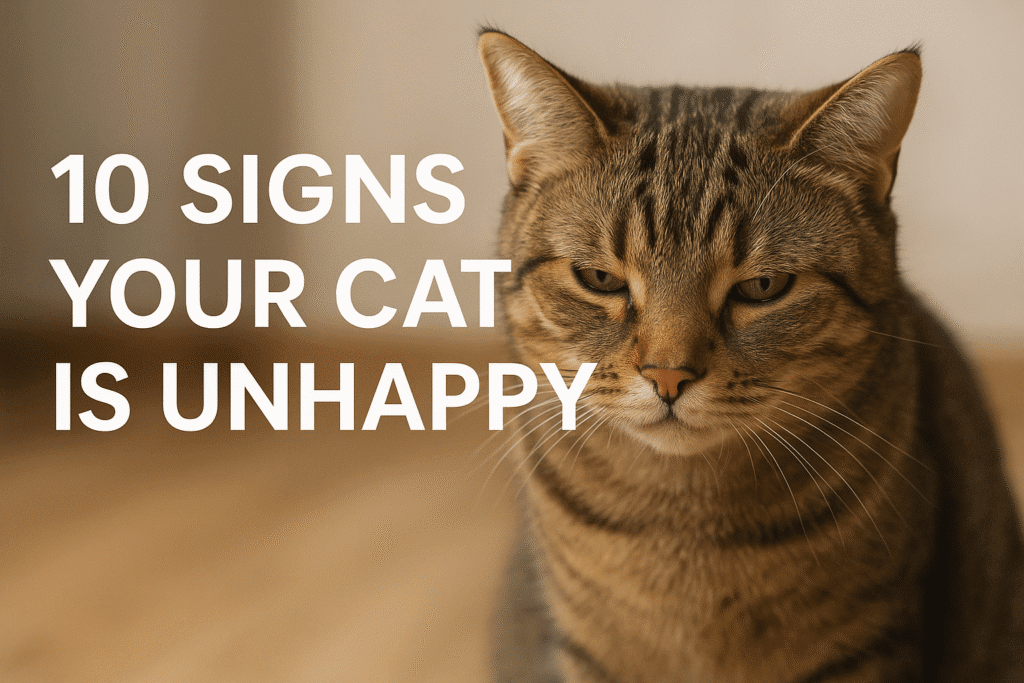
Changes in behavior, like increased hiding, aggression, or a lack of interest in play, can indicate unhappiness, according to an introduction about the telltale signs of an unhappy cat. Body language, such as flattened ears, a tucked or twitching tail, and a hunched posture, as well as physical indicators, such as changes in grooming habits, appetite, or litter box use, are additional important indicators.
Hiding Often
If your cat has started hiding more than usual, whether it’s under the bed, behind furniture, or in closets, something might be wrong. Although cats are drawn to quiet, secluded places where they can relax or feel safe, excessive hiding usually indicates illness, stress, or anxiety. Your cat may withdraw to feel safe when you move, get a new pet, or hear loud noises in the house. In some circumstances, hiding may also be a sign of discomfort or pain associated with a medical condition. If your normally gregarious cat suddenly avoids contact or hides for long periods of time, try to identify possible stressors and establish a calm, predictable environment.
Cats naturally prefer peaceful, comfortable places to unwind, but if your cat begins hiding far more than usual, it may be an indication that something is amiss. Finding a secure location where they can be by themselves is frequently a cat’s natural response when they are upset, anxious, or afraid. Your cat may spend hours in hard-to-reach places like a closet, behind a couch, or beneath a bed. Cats that hide a lot are a serious indication that they might be depressed, anxious, or ill. Although cats naturally hide occasionally as part of their instincts as predators and prey, prolonged or excessive seclusion is reason for concern.
Loss of Appetite
A cat may exhibit significant signs of depression, dissatisfaction, or underlying health issues if their appetite changes, such as drastically cutting back on their food intake or refusing to eat at all. A cat’s appetite is a good indicator of their overall health, so any sudden change in it should be noted. Stress, anxiety, or major changes in the home environment, such as a move or a new pet, can cause a cat to become less active. On the other hand, persistent appetite loss is a medical issue. Cats who miss meals for more than twenty-four hours may be at risk for hepatic lipidosis, a serious liver condition, especially if they are overweight.
Your cat may be unhappy, stressed, or ill if they abruptly stop eating or show less interest in food. Since cats are typically habitual eaters, a shift in their eating habits frequently indicates that something is upsetting them. A cat may lose interest in food as a result of emotional stressors like a new pet, a move, or adjustments to their routine. A decrease in appetite, however, may also indicate medical problems that require attention, such as stomach troubles, dental pain, or other health issues. Anorexia, the term for a cat’s lack of appetite, is a serious indicator of unhappiness or poor health and needs to be treated right away. Because cats have a different metabolism than dogs, stopping food for even a few days can cause major problems that could endanger their lives, especially if they are overweight.
Aggression
Your cat may be unhappy, stressed, or afraid if they have started acting strangely aggressively, such as by hissing, growling, swatting, or even biting. Since cats rarely lash out without cause, unexpected aggression is frequently a sign that something is amiss. Changes in their surroundings, such as a new pet, strangers, loud noises, or even a different scent in the house, can cause this behavior. Occasionally, pain or illness can also be the cause of aggression, particularly if your cat exhibits strong reactions to certain types of touch.
Your cat may become even more frightened and agitated if you punish or yell at them when they behave aggressively. Aggression in cats can take the form of swatting, hissing, growling, or biting when they are upset, stressed, or sick. A sudden, noticeable increase in aggression is a sign that something is amiss, even though mock aggression is occasionally a part of normal feline play. Since pain is frequently the cause of cat aggression, a veterinarian’s visit frequently occurs in cats who are stressed, nervous, or unhappy. Your cat may be self-soothing by licking because the repetitive motion releases calming endorphins, similar to how people may bite their nails or fidget when they’re anxious. Your cat may begin over-grooming or making unusual sounds.
OverGrooming
Although cats are renowned for their meticulous grooming, regular cleaning and compulsive licking are two very different things. Something is obviously wrong when your cat begins grooming themselves excessively to the point where their fur thins, bald spots show, or their skin appears red or sore. Psychogenic alopecia, another name for excessive grooming, frequently occurs in cats who are stressed, nervous, or unhappy. Your cat may be self-soothing by licking because the repetitive motion releases calming endorphins, similar to how people may bite their nails or fidget when they’re anxious. Your cat may begin over-grooming for a variety of reasons.
Unusual Sounds
Meows, purrs, or the addition of aggressive sounds to a cat’s typical vocalizations can indicate discomfort, stress, or discontent. Increased, low-pitched, or frequent meowing may be a sign of discontent, but a sudden decrease in vocalization from a typically vocal cat can also be a sign of distress. Purring can be a self-soothing behavior during times of pain or anxiety, even though it usually indicates contentment. Hissing, growling, or yowling are examples of explicit warnings that convey anger, fear, or severe discomfort.
Avoiding People
Your cat may be unhappy, nervous, or ill if they start to avoid people, especially you. Even though they are capable of being independent, cats still prefer to spend time with their favorite people, whether that means sitting close by, rubbing against your legs, or cuddling up next to you. A normally gregarious cat may be experiencing emotional or physical changes if they abruptly hide, ignore affection, or leave the room when you enter.
There are numerous potential explanations for this behavior. Emotional stress is common; your cat may become agitated by loud noises, visitors, new pets, or changes in routine. They might also be upset about a recent change, like a move, new furniture, or even a change in your work schedule. Avoidance may occasionally be a sign that your cat is physically ill. Cats who are ill or in pain may want to be left alone because they feel vulnerable and would rather sleep undisturbed. For more guidance on cat behavior and emotional health, visit the International Cat Care—Understanding Feline Emotions website.
Explore this related topic here:
Common Cat Diseases and Their Treatments
The Incredible Cat Who Saved a Baby’s Life
5 Ways to Keep Your Pet Active and Happy
Conclusion
Body language changes (such as ears back or tail tucked), behavioral changes (such as hiding, aggression, or problems with the litter box), and changes in daily routines (such as poor grooming, decreased appetite, or less interest in play) are all indicators that your cat is unhappy. Understanding these symptoms is essential to meeting their needs, which may include environmental enrichment to enhance their emotional health and a trip to the veterinarian to rule out any physical issues.