Intro
Although Africa is home to some of the world’s most amazing and varied wildlife, some of its species can be extremely dangerous to people. The continent’s wild inhabitants, which range from vicious predators to cunning ambushers, serve as a reminder of nature’s unpredictable and untamed strength. In addition to being fascinating, learning about Africa’s most dangerous wild animals is crucial for anyone visiting these animals’ natural habitats because it fosters safety and respect for these amazing animals. This article examines the characteristics that make seven of Africa’s most deadly animals so formidable.
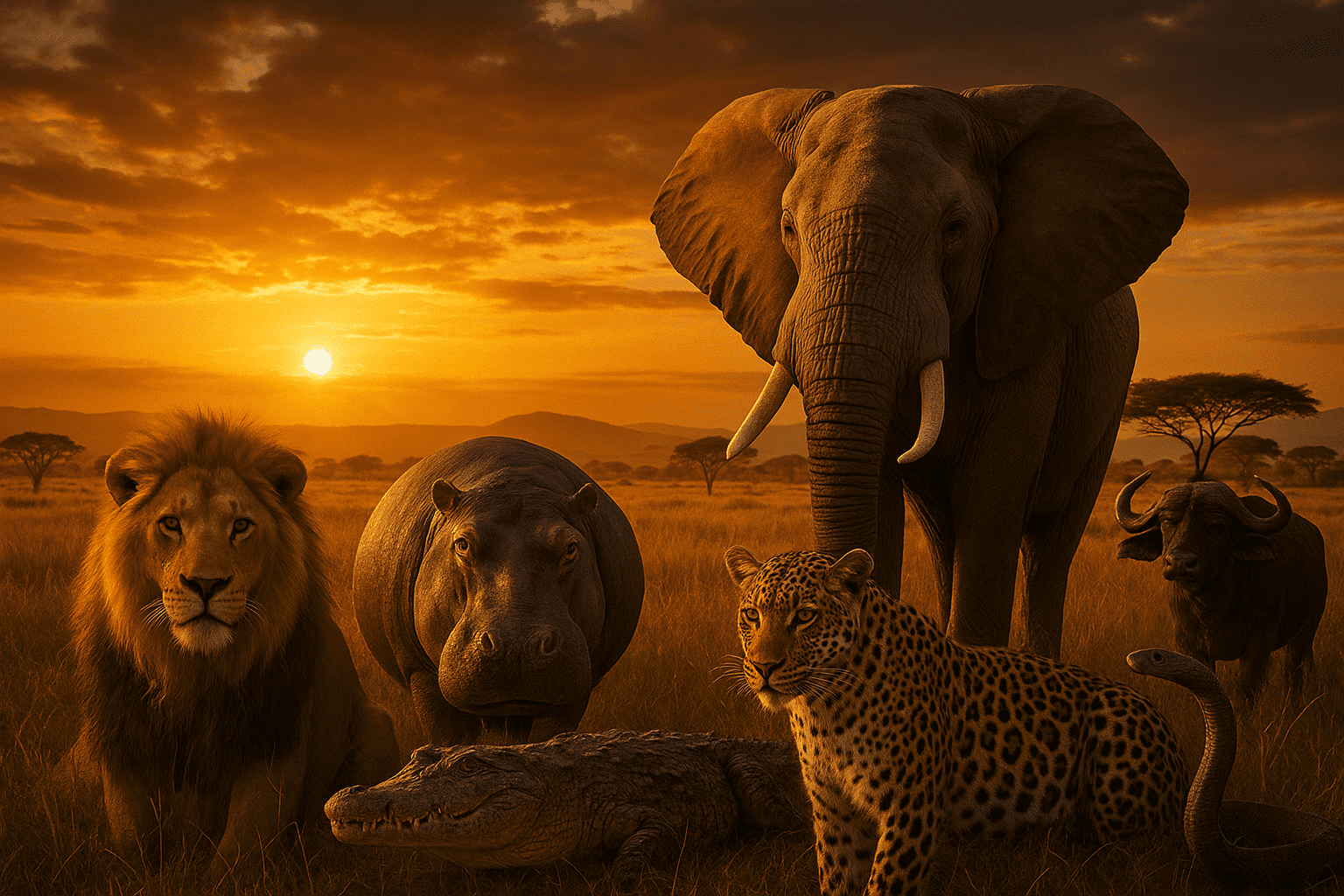
Some of the most recognizable and feared animals on the planet can be found in Africa’s varied and stunning landscapes. Even though safaris are usually safe, some species—from large herbivores to cunning predators and poisonous snakes—pose serious risks because of their strength, aggression, or capacity to spread fatal illnesses. Not only do these seven animals have a reputation for being dangerous, but they also pose particular risks to people. Respecting and safely coexisting with the wild people of the African continent requires an understanding of their danger.
Lion
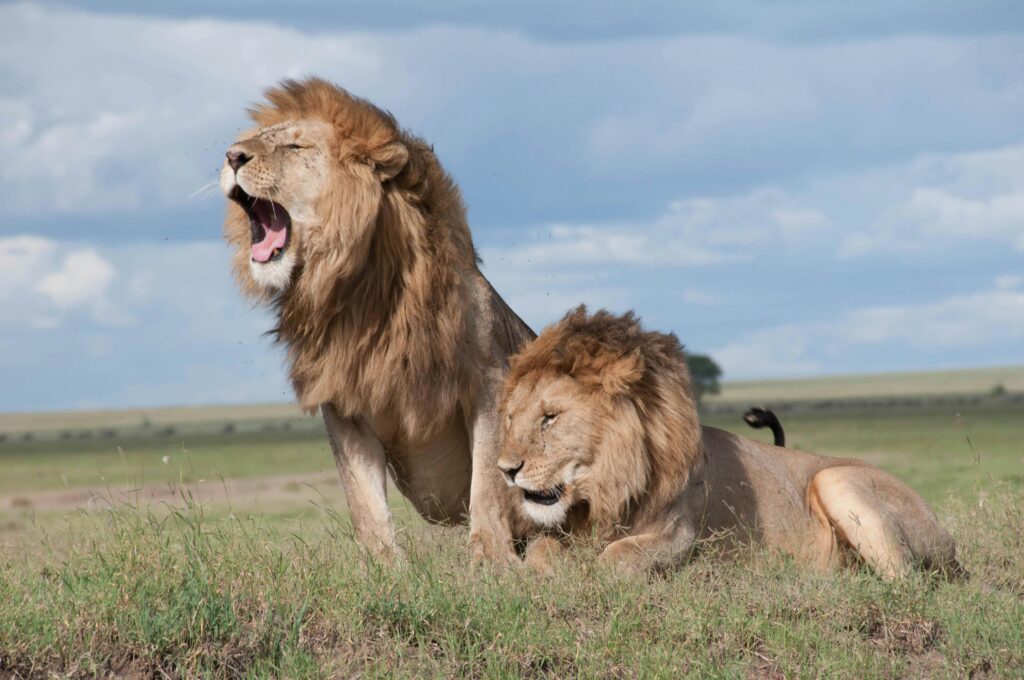
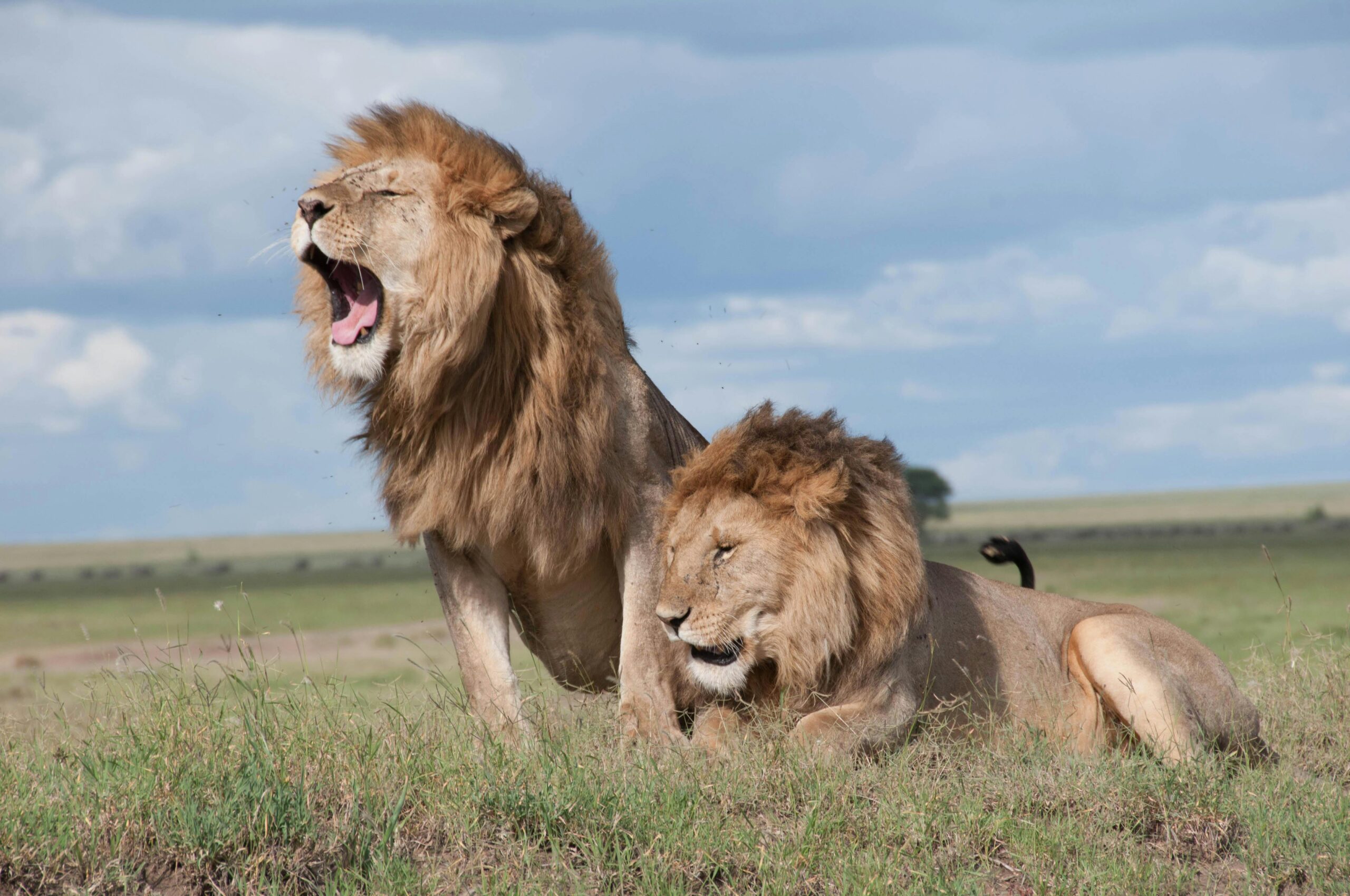
Despite not being their natural prey, lions are thought to be the cause of 200 human fatalities in Africa annually, solidifying their status as one of the most dangerous wild animals on the continent. Often referred to as the “king of the jungle,” this apex predator is renowned for its tremendous strength, strong jaws, and aggressive disposition. Although human attacks are uncommon in some places, they are more common where human populations encroach on lion habitats or when male lions are too old, injured, or ill to hunt wild prey. When these animals start to taste human flesh, they can be extremely dangerous, as evidenced by well-known incidents like the “Lions of Tsavo,” which killed dozens of railroad workers in 1898.
Hippo
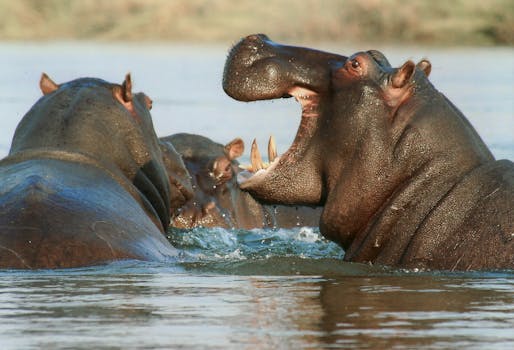
One of Africa’s most dangerous creatures is the hippopotamus, despite its seemingly placid and lanky appearance. Hippos can run surprisingly fast on land, up to 30 km/h (19 mph), and they are fiercely territorial, especially in the water. They can cause fatal injuries with their enormous jaws and large tusks. The majority of human attacks happen when someone unintentionally gets in the way of a hippo’s deep water or its young. Hippos are a silent but deadly threat in rivers and lakes throughout Africa, where they are surprisingly responsible for more human deaths annually than lions.
Hippos are among the most dangerous and unpredictable large mammals in Africa, killing an estimated 500 people annually despite their serene, riverine appearance. Their size and unexpected speed are formidable, as they can weigh up to 7,700 pounds and run up to 19 miles per hour on land. Most attacks occur in or near water because hippos are fiercely territorial and can easily topple boats with their powerful jaws and sharp canine teeth. Hippopotamuses can bite with a force of up to 1,800 pounds per square inch, and they can do so quickly if they sense that their young or territory are in danger.
Crocodile
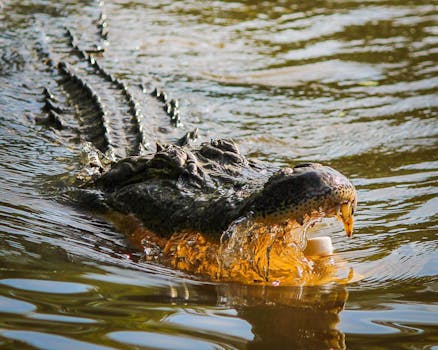
The Nile crocodile is one of Africa’s most intelligent and powerful predators. These massive reptiles can grow up to 6 meters (20 feet) in length and have jaws so powerful they can break bones. Crocodiles are ambush hunters that often lurk close to the water’s edge, ready to strike unwary victims, including humans, with lightning-fast speed. Being fiercely protective of their territory, they can drag victims underwater to drown them before feeding on them. Found in rivers, lakes, and swamps throughout sub-Saharan Africa, Nile crocodiles are among the continent’s deadliest creatures, taking hundreds of lives every year.
The ancient and powerful Nile crocodile (Crocodylus niloticus), Africa’s most dreaded and common ambush predator, kills hundreds of people annually. It is the largest freshwater predator on the continent, reaching lengths of up to 20 feet and weighing more than a ton. It is also a very opportunistic hunter. Using its unmatched stealth, it waits for unwary prey at the water’s edge for hours while lying almost entirely underwater, only its eyes and nostrils showing. The crocodile’s massive, bone-crushing jaws strike with lightning speed when a victim, such as a human, a cow, or a large mammal like a zebra, approaches within range. With a force of up to 5,000 pounds per square inch, its bite is the strongest of any animal.
Elephant
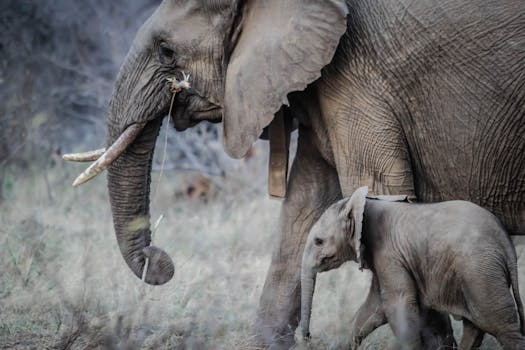
Despite their reputation as “gentle giants,” elephants are extremely dangerous and are thought to be the cause of 600 human deaths in Africa each year. Standing 13 feet tall and weighing up to 8 tons, the African elephant is a powerful animal that can throw people with its strong trunk, gore with its tusks, and tramp. Although not a manifestation of innate hostility, attacks on humans are often the result of certain situations, especially as human settlements encroach on elephant habitats. Common instigators include competition for resources such as food and water, perceived threats to the herd or calves, and provocation. Male elephants are particularly violent and erratic during “musth,” a hormonally elevated state.
Cape Buffalo
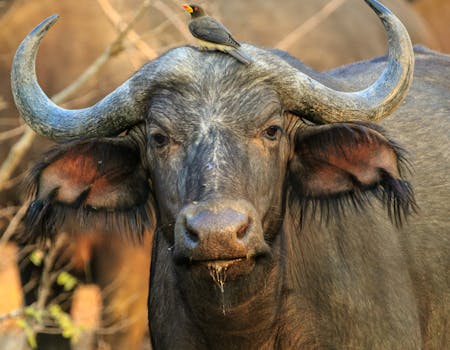
Because of its strength and unpredictable nature, the African buffalo, also known as the Cape buffalo, is frequently considered one of Africa’s most dangerous animals. These strong herbivores, which can weigh up to 900 kilograms (nearly 2,000 pounds), have a reputation for charging suddenly when they feel threatened and goring humans or predators with their sharp, curved horns. Cape buffaloes are fiercely protective of their herd and will defend themselves from lions and other predators, in contrast to other prey animals. They are among the deadliest animals on the continent and have been dubbed the “Black Death” due to their aggressiveness, size, and endurance.
Leopard
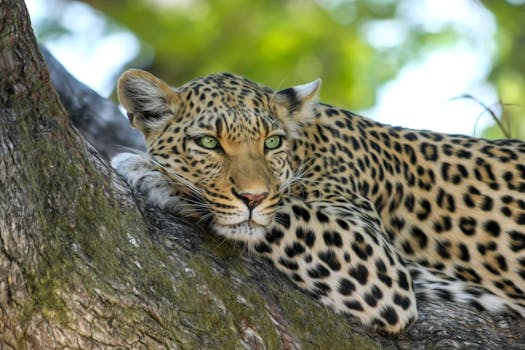
Leopards are strong and dangerous predators, especially when they are in danger, injured, or searching for other prey, despite the common perception of them as timid and elusive. With its perfect camouflage and nocturnal lifestyle, this highly adaptable big cat is an expert at ambushing, stalking, and leaping on its prey. Although human attacks are rare compared to other big cats, leopards can be extremely aggressive and deadly when cornered, provoked, or when their natural prey is scarce due to human encroachment. They can use their immense strength to drag carcasses much heavier than themselves high into trees to defend themselves from larger predators.
Black Mamba
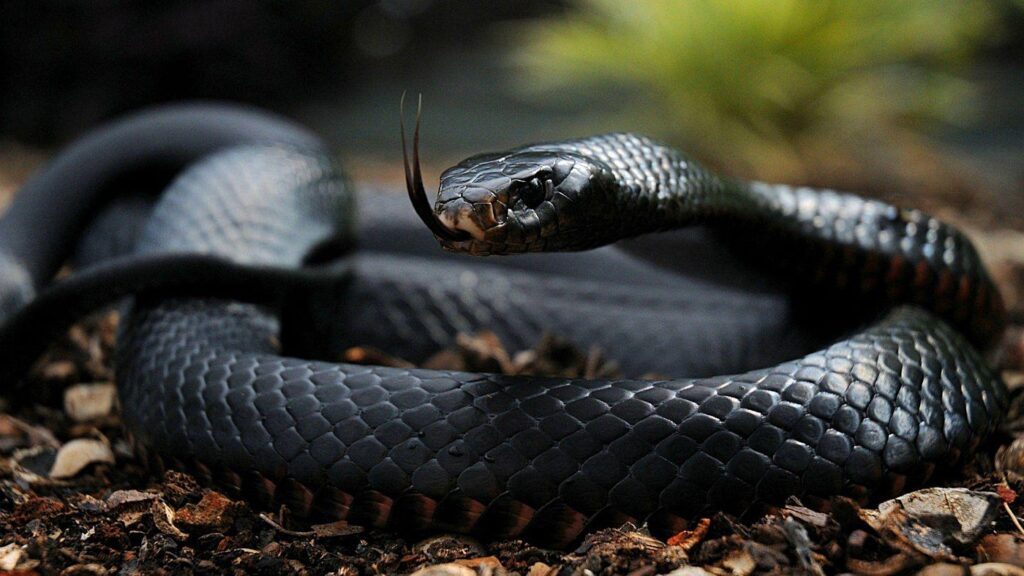
One of Africa’s most dreaded snakes, the black mamba is notorious for its swiftness, agility, and extremely strong venom. It can hit with amazing accuracy, giving a deadly dose that, if left untreated, can kill a person in a matter of hours. Notwithstanding its intimidating image, the black mamba is typically timid and will steer clear of conflict if at all possible, but if cornered or threatened, it becomes extremely dangerous. This snake, which is found throughout sub-Saharan Africa in savannas, rocky hills, and open woodlands, is one of the deadliest reptiles on the continent due to its size, speed, and toxicity. For more details on African wildlife safety, visit the official National Geographic African Wildlife Guide.
These posts are also worth reading:
How Lions Communicate in the Wild
3 Real-Life Animal Heroes from Around the World
Conclusion
From the ferocious crocodile and poisonous black mamba to the powerful elephant and unpredictable hippo, Africa’s most dangerous animals deserve the highest respect. Because of their nature and territory, each of them presents a unique threat, and their reputations for strength, aggression, or lethal defenses have been earned. The increasing competition for resources, the expansion of human settlements, and environmental pressures are the driving forces behind human-wildlife conflicts, despite the fact that these encounters are often sensationalized. Understanding the behavior and triggers of these strong animals is essential for safe coexistence, highlighting the fact that their threat is a complex issue driven by both human impact on their habitats and their inherent traits.